How to Recognize Physical Symptoms of Anxiety Attacks
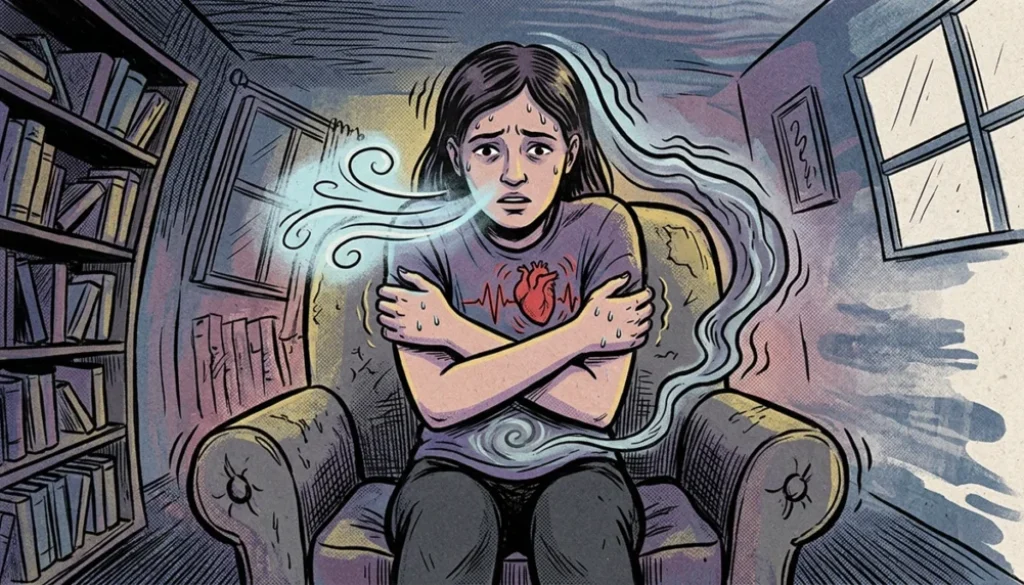
Battling bouts of breathlessness, heart hammering hard, I’ve grappled with gut-wrenching anxiety attacks. I’m no stranger to this debilitating disorder, and it’s my mission to help you identify and understand these harrowing physical symptoms.
I’ll shed light on the most common and unexpected physical manifestations of anxiety attacks, providing tools for managing these symptoms.
Let’s navigate this nerve-wracking journey together, turning the tide on the turmoil of anxiety.
Understanding Anxiety Attacks
In my experience, a considerable number of people often misinterpret the physical symptoms of anxiety attacks. These symptoms can range from heart palpitations to lightheadedness, but it’s essential to remember that they’re a result of anxiety triggers, not a sign of an impending physical health crisis.
Understanding these triggers is a crucial step in managing anxiety attacks. For many, it’s a certain situation or environment that sets things off. However, everyone’s triggers are unique, and it’s important to identify your own. Once you’ve pinpointed your triggers, treatment options become more effective.
This could be medication, therapy, or lifestyle changes. It’s about finding what works for you because overcoming this struggle is entirely possible with the right support and understanding.
Common Physical Signs of Anxiety
Now, let’s delve into the common physical signs of anxiety that you might experience during an attack.
Anxiety triggers can quickly lead to a host of physical manifestations. A prime example is heart palpitations. This can feel like your heart is pounding, fluttering, or beating irregularly, often for just a few minutes or possibly longer.
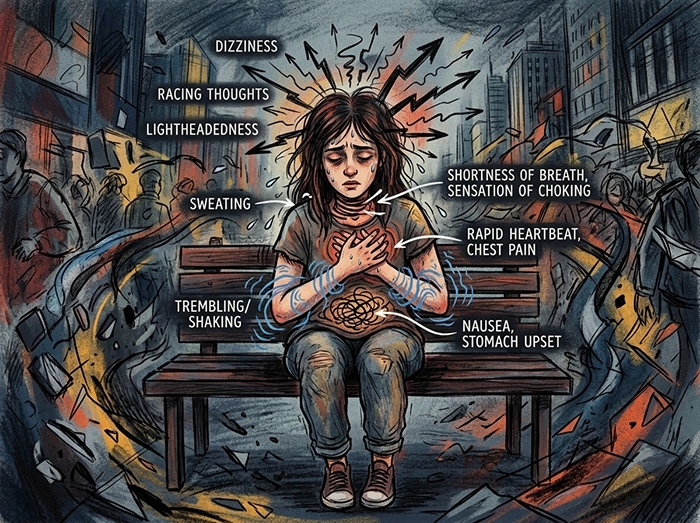
You may also experience a surge of overwhelming panic, unease, and fear. Other signs could include a dry mouth, excessive sweating, trembling, and difficulty breathing or hyperventilating.
Unexpected Physical Manifestations
Beyond these common symptoms, I’ve noticed that anxiety attacks can also manifest physically in unexpected ways. These surprising somatic indicators can range from peculiar sensations in the body to unusual stress reactions.
For instance, some may experience extreme temperature sensitivity, a sudden onslaught of chills or hot flashes. Others might find themselves inexplicably dizzy, or have an unquenchable thirst. Frequent urination and digestive issues can be another unexpected manifestation.
These aren’t typically the first signs people associate with anxiety, but they’re equally important. Understanding these unusual physical signs can aid in recognizing and managing anxiety attacks better. Remember, anxiety isn’t just mental, it’s physical too. Each person’s experience is unique, but awareness is the first step towards better health.
Misinterpreted Anxiety Symptoms
Despite the wealth of information on anxiety symptoms, I’ve often seen how easily they can be misinterpreted or dismissed as something else. This symptom misconception leads to a dangerous cycle of fear and confusion, often exacerbating the anxiety itself.
When symptoms like heart palpitations or shortness of breath are mistaken for more severe health conditions, it creates false alarms, further stoking the fires of anxiety. It’s crucial to understand that anxiety can mimic other physical ailments, and vice versa.
That’s why I always advocate for open, honest discussions with healthcare professionals. They can help you differentiate between anxiety symptoms and other health concerns, ensuring you receive the right care and treatment.
Managing Anxiety-Related Symptoms
In dealing with anxiety-related symptoms, it’s essential that I learn and implement effective management strategies to regain control over my physical and mental well-being. I’ve found it useful to incorporate a mix of stress management techniques and therapeutic interventions.
Here are some strategies that I’ve found to be helpful:
- Regular exercise: I’ve noticed it helps to improve my overall mood while reducing feelings of anxiety.
- Mindfulness and meditation: These techniques have helped me to focus on the present moment and reduce the power of anxious thoughts.
- Cognitive-behavioral therapy (CBT): This therapeutic intervention has been instrumental in helping me identify and change negative thought patterns.
- Healthy eating and sleeping habits: Maintaining a balanced diet and getting adequate sleep have proven beneficial in managing my anxiety symptoms.
Frequently Asked Questions
What Are Some Effective Therapeutic Approaches to Treat Anxiety Attacks?
I’ve found meditation techniques and cognitive behavior therapy to be effective in treating anxiety attacks. They help me understand and change thought patterns that lead to anxiety and panic, thus reducing their intensity.
Can Certain Dietary Changes Alleviate the Symptoms of Anxiety Attacks?
Indeed, certain foods can trigger anxiety attacks, while others offer supplement support. By identifying and avoiding these triggers, and incorporating anxiety-relieving nutrients into your diet, you can potentially alleviate some symptoms of anxiety attacks.
How Does Anxiety Affect Sleep Patterns?
Anxiety often disrupts my sleep patterns. It’s harder for me to fall asleep and I often wake up throughout the night. Improving sleep hygiene and exploring dream analysis might be beneficial in managing this issue.
Can Anxiety Attacks Lead to Other Mental Health Disorders?
Yes, anxiety attacks can indeed lead to other mental health disorders. It’s like the saying, “One thing leads to another.” Anxiety’s genetic link raises comorbidity possibilities, making it a complex, multifaceted issue.
How Does Regular Exercise Impact the Frequency and Severity of Anxiety Attacks?
In my experience, regular exercise offers numerous benefits, including stress reduction. It’s been beneficial in decreasing both the frequency and severity of my anxiety attacks, promoting a sense of calm and well-being.
Summing Things Up
Anxiety can sneak up on us like a thief in the night, leaving us with a host of puzzling physical signs. It’s easy to feel lost in this maze of symptoms, but remember, you’re not alone.
Understanding these unexpected manifestations is the first step to taking back control. Misinterpreted signs aren’t your enemy, they’re simply a call to action.
It’s all part of your journey to manage these anxiety-related symptoms and rediscover your inner tranquility.