6 Best Techniques to Alleviate Anxiety Attacks
Did you know that nearly 40% of us experience an anxiety attack at least once in our lives?
I’m part of that statistic, and I’ve spent years mastering techniques to ease the grip of anxiety.
I’ve discovered six effective methods that have helped me regain control, and I’m excited to share them with you.
I’m confident they’ll help you too, whether you’re battling a full-blown panic attack or just trying to manage daily stress.
Understanding Your Anxiety Triggers
In managing my anxiety attacks, it’s crucial for me to identify and understand my specific triggers. This process, known as trigger identification, allows me to anticipate potential stressors and prepare coping strategies.
I’ve found that emotional journaling can be a powerful tool in this endeavor. By documenting my feelings and reactions to various situations, I can identify patterns and common elements that spark my anxiety. For instance, it might be a crowded place, a particular person, or a looming deadline.
Once I’ve identified these triggers, I can start to tackle my anxiety head on, either by avoiding these triggers when possible or by learning techniques to manage my reaction to them. This self-awareness is a significant first step towards taking control of my anxiety.
Practicing Deep Breathing Techniques
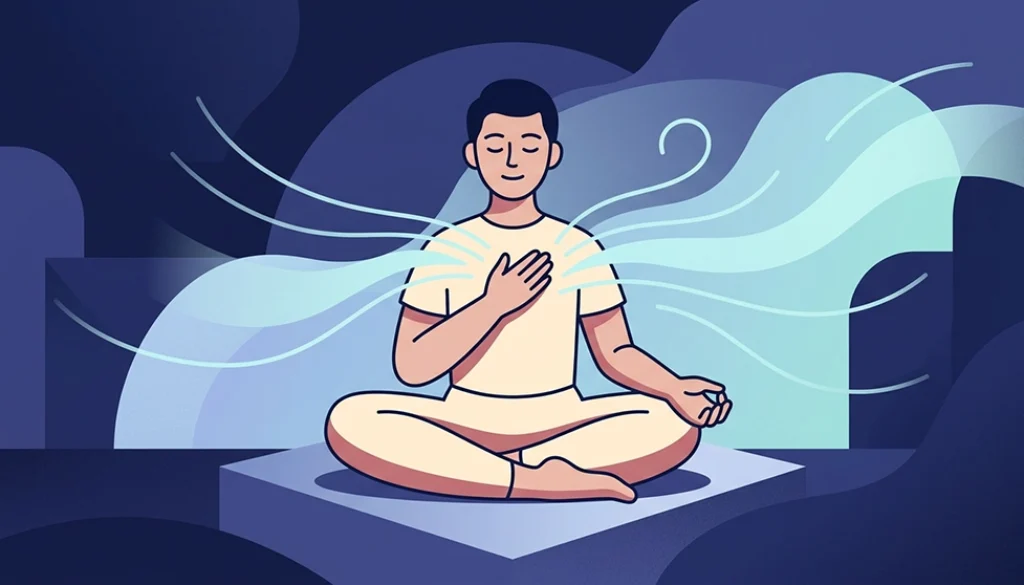
After gaining a thorough understanding of my anxiety triggers, I’ve found that incorporating deep breathing techniques into my routine is a tangible, effective method for managing my anxiety attacks. The breathing apparatus benefits are immense, as they help me relax, lower my heart rate and alleviate the overwhelming sense of doom that can accompany an anxiety attack.
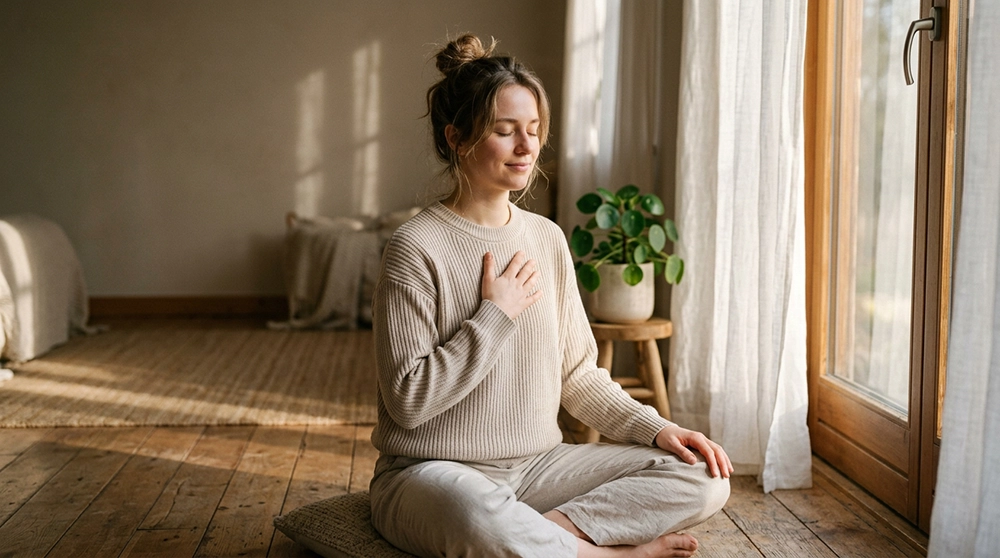
The inhalation exercises I’ve learned involve inhaling slowly and deeply through the nose, holding the breath for a few moments, and then exhaling gradually through the mouth. I also focus my mind on the rise and fall of my chest, which creates a soothing rhythm that distracts me from my anxiety.
With practice, I’ve been able to better manage my anxiety and reduce the frequency and intensity of my attacks.
Incorporating Regular Exercise
Building on my breathing techniques, I’ve discovered that regular exercise is another powerful tool in my arsenal against anxiety attacks. It’s not about being a gym rat, it’s about exercise selection and fitness consistency.
I’ve found that a brisk walk or a soothing yoga session can be as effective as a high-intensity workout. The key is to choose an activity that I enjoy, so that I’m more likely to stick with it.
Maintaining fitness consistency is equally important. I try to set aside some time each day for exercise, even if it’s just a few minutes. This routine not only improves my physical health, but it also provides a sense of accomplishment and control that helps to keep my anxiety in check.
Utilizing Mindfulness and Meditation
Practicing mindfulness and meditation has become another integral part of my strategy to combat anxiety attacks. Focusing on the present moment and cultivating an inner peace, I’ve found relief from the overwhelming thoughts that fuel my anxiety.
One method I’ve embraced is mindful eating. By paying close attention to the taste, texture, and smell of food, I’m fully engaged in the moment, not consumed by worries. This simple act of mindfulness helps me appreciate the joy in everyday experiences, reducing overall anxiety.
Finally, compassionate acceptance is a key aspect. Instead of fighting anxiety, I’ve learned to accept it with understanding and kindness. This shift in attitude, acknowledging anxiety without judgement, significantly alleviates my panic symptoms.
Through mindfulness and meditation, I’m gaining control over anxiety, one breath at a time.
Applying Cognitive Behavioral Therapy
Incorporating Cognitive Behavioral Therapy (CBT) into my self-care routine is another technique I’ve found that effectively reduces my anxiety. CBT strategies involve recognizing and challenging irrational thoughts that intensify my anxiety. By counteracting these thoughts with reality-based perspectives, I’m able to reduce my anxiety significantly.
The therapy effectiveness is undeniable. I’ve observed a remarkable difference in my reaction to stressors. Instead of succumbing to panic, I’ve learned to pause, identify my thought patterns and replace them with rational ones. This process helps me regain control, breathe easier and feel less overwhelmed.
Incorporating CBT isn’t a quick fix. It requires consistency, patience, and practice. But with time, the result is a more peaceful mind. I’d recommend anyone suffering from anxiety to explore incorporating CBT into their self-care routine.
Trying Herbal Remedies and Supplements
Beyond the mental strategies like CBT, I’ve also discovered the calming effects of certain herbal remedies and supplements on my anxiety. Here’s my go-to list:
- Chamomile: This herb is a lifesaver. Its calming effects are almost immediate, helping me unwind after a stressful day.
- Passionflower: Supplement efficacy is high with passionflower. It’s great for reducing restlessness and nervousness.
- Valerian Root: I often use this to help me sleep. It’s a potent herb, so I use it sparingly.
- Omega-3s: I’ve found that these fatty acids help to reduce anxiety symptoms over time.
Herbal selection is personal and varies from person to person. It’s crucial to experiment and find what works best for you and always consult with a healthcare professional to ensure safety.
Frequently Asked Questions
What Is the Role of Diet in Managing Anxiety Attacks?
I’m convinced that diet plays a crucial role in managing anxiety attacks. Food intolerance impact can trigger symptoms, while mood boosting nutrients can help reduce them. It’s all about balance and mindful eating.
Can Certain Medications Help in Alleviating Anxiety Attacks?
Absolutely, certain medications can help alleviate anxiety attacks. However, it’s crucial to follow prescription guidelines to avoid medication side effects. It’s always best to consult with a healthcare professional for personalized advice.
Do Support Groups or Therapy Sessions Help in Managing Anxiety Attacks?
Absolutely, support groups and therapy sessions can be very helpful. They provide a safe space to share experiences and feelings. The group dynamics and therapy benefits can significantly manage and alleviate anxiety attacks.
How Effective Are Alternative Therapies Like Acupuncture or Hypnosis in Treating Anxiety Attacks?
I’ve explored acupuncture and hypnosis for anxiety relief, debunking some acupuncture myths along the way. Hypnosis benefits were surprising, offering a deep relaxation state that can help manage anxiety. Both can be effective if properly administered.
Can Anxiety Attacks Lead to Other Health Issues if Not Treated Properly?
Absolutely, untreated anxiety attacks can harm one’s health. They could disrupt sleep patterns and even lead to heart disease. I’ve found that regular exercise benefits overall well-being and alleviates anxiety symptoms significantly.
Closing Thoughts
Understanding my anxiety triggers has been key, along with practicing deep breathing techniques when panic strikes.
Regular exercise has been my constant, promoting overall well-being.
Mindfulness and meditation have taught me to live in the present moment, while Cognitive Behavioral Therapy has given me tools to change negative thought patterns.
Lastly, herbal remedies and supplements have been my natural allies.
With these six techniques, I’ve found a holistic approach to alleviate my anxiety attacks.